
Controlling Plaque Levels in the Mouth
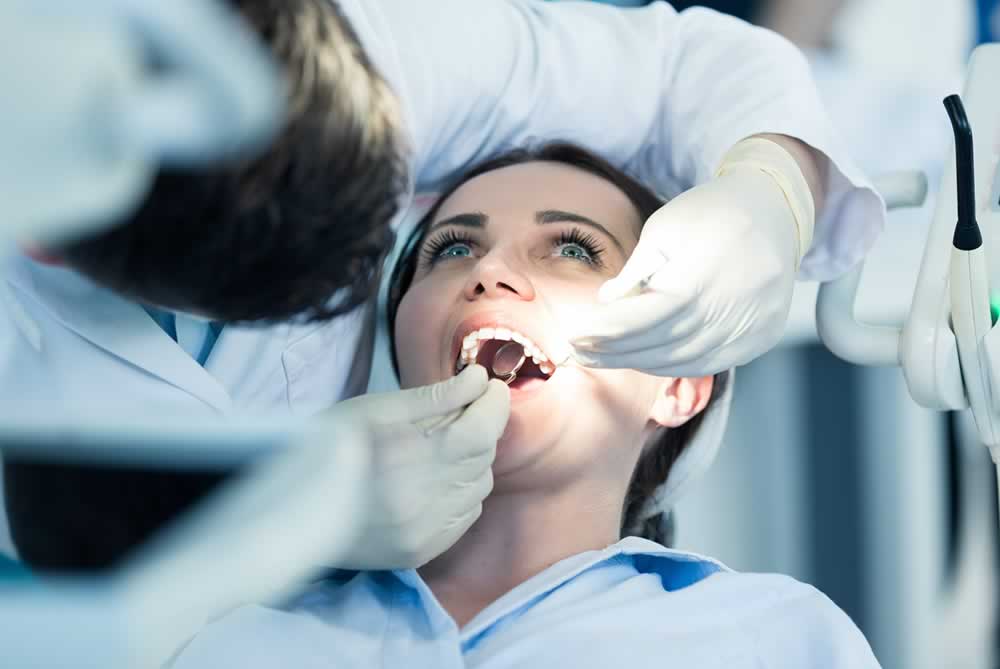
And what our Canterbury patients can do when this gets out of hand….
In layman terms, plaque is the ‘gooey stuff’ that builds up on our teeth and gumline. It is a natural occurrence and generally not a problem if we brush our teeth well and floss on a regular basis. Sometimes though, things can get a little out of hand and this can lead to gingivitis, and potentially, periodontitis, if not treated correctly.
Plaque should not be confused with tartar. The latter is a hardened ‘crust’ that is made from bacteria and minerals contained in saliva which attaches itself to the teeth. This can’t be removed by brushing alone and we will come to that a little later on.
Brushing and flossing
Plaque continually forms in our mouth and the plaque that we brush away when we clean our teeth will be replaced just a few hours later as saliva mixes with bacteria and food debris. In itself, we probably don’t notice plaque too much, but as the bacteria in it feed off sugars from the food and drinks we consume, they produce acids and other substances that start to attack the teeth and gums. If you don’t brush your teeth well enough, or perhaps don’t stay hydrated enough, which provides the perfect environment for expansion of the number of bacteria in the mouth, you may soon start to notice some less than pleasant symptoms developing.
These might include bleeding from the gums when you brush your teeth, soreness and inflammation of the gums and even persistent bad breath. The good news is that this early stage of gum disease, known as gingivitis, is often reversible with a little care.
Tartar
Just briefly to mention tartar again here. This is a more serious issue if not treated and can eventually affect the roots of the tooth and the bone, leading to loose and wobbly teeth. It may even lead to tooth loss. The key is to control the plaque so that it never reaches this stage.
Keeping plaque under control
The good news is that stopping plaque from getting out of control is relatively straightforward if you take a little additional care. One thing you can certainly do to help this is to make sure that you stay well hydrated by drinking plenty of water (not fizzy drinks as this can lead to enamel erosion). Drinking plenty of water will help to continually wash away bacteria as well as preventing dry mouth syndrome which provides a warm and dry environment in which oral bacteria thrive.
Brushing your gums and not ‘just’ your teeth is essential too and is an area that patients sometimes neglect. You should always angle the bristles so that they reach into the gum line to remove bacteria and tiny pieces of food debris that may have become trapped there. Regular brushing morning and night with a fluoride toothpaste and using a brush with ‘healthy’ bristles is the way to go. Flossing or the use of an interdental brush to clean between the teeth is very important too as this is an area where many problems start.
Scale and polish
You should also see the dental hygienist at Bradley and Partners Dental & Implant Clinic for a professional clean (also known as a scale and polish) every six months. Although its primary aim is to remove the hardened tartar mentioned earlier, it is still beneficial for avoiding plaque build up as tartar creates a rough surface that plaque attaches to more easily. After your professional cleaning, you will notice that your teeth surfaces are much smoother and plaque is much less likely to become attached to them while they remain this way.
Naturally, you should also continue to see the dentist at our local dental practice so that we can keep an eye on your overall oral health as well.
Gingivitis recovery
If you have reached the stage where your gums are bleeding or are a little sore, you should find that this soon improves once you have taken action such as better brushing and flossing and professional cleans, and the symptoms should soon disappear. If you make sure to maintain your new and improved oral health regime, plaque should become no more than a relatively minor issue that is straightforward to control.
Controlling plaque then, is very important, not so much for the damage that plaque itself can do, but for the fact that this greatly reduces the risk of periodontitis, the more advanced form of gum disease that also attacks the underlying bone tissue and causes the teeth to become unstable or possibly even fall out.
If you would like further advice or would like to make an appointment to see the dentist or hygienist at Bradley and Partners Dental & Implant Clinic, you can do so by calling us today on 01227 463529. We look forward to helping you on your journey to better oral health.